Are AI promo videos good enough for your homepage?
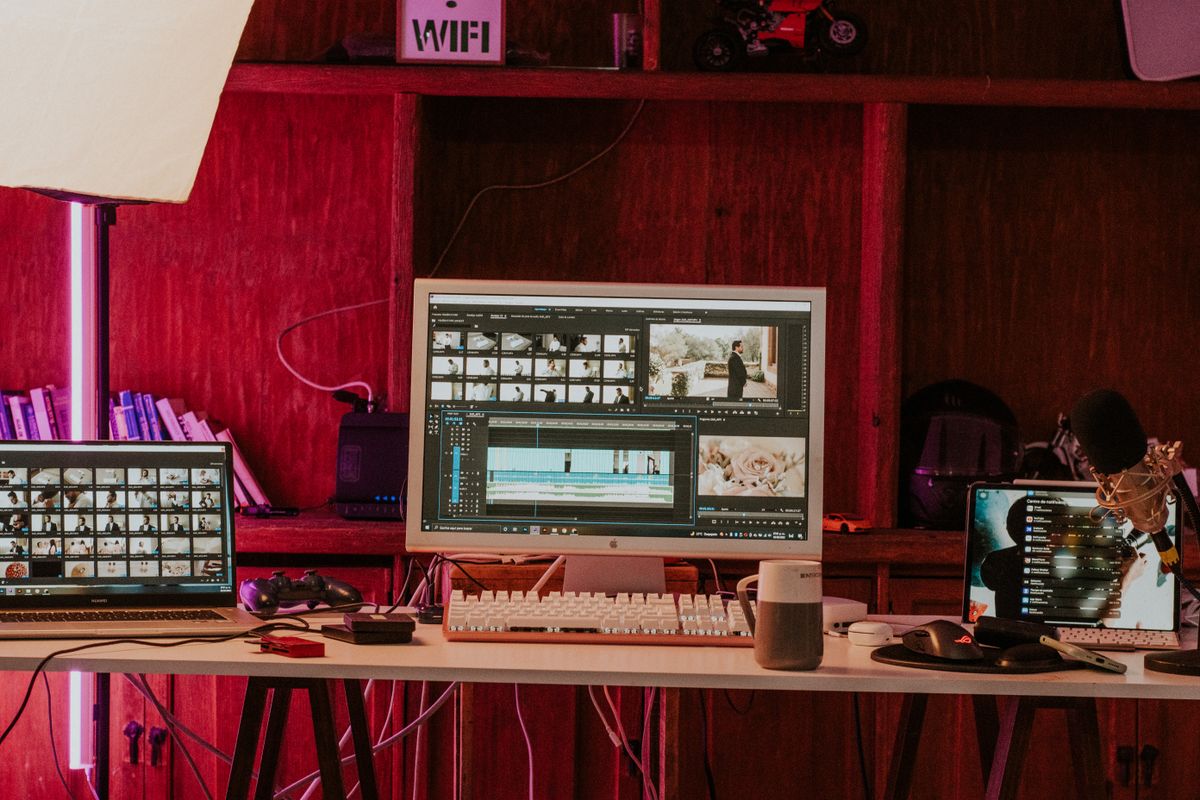
I've spent about 15 years making promo and product videos, including work that had to clear brand review at Microsoft, xAI and Cloudflare, plus a long tail of startups who couldn't afford any of that. So when founders ask me whether an AI promo video is good enough to put on a homepage, I'm not a neutral party. I built a tool in this space. I also watch a lot of AI-generated video and wince.
Let me do the wincing first.
What most AI video tools still get wrong
The template smell. I can usually feel a template before the first line of copy lands. It's the pacing. Every scene runs the same length, because the template has a slot for a scene, not a story. The logo slides in from the left with the same ease curve it uses for everyone else's logo. Nothing in the video responds to what the video is about. It's a container, and your product has been poured into it.
In my experience founders can't name why this feels cheap. The closest they get is "it doesn't feel like us," which is the right diagnosis in plain language.
Stock footage soup. A woman laughing at a laptop. Two people high-fiving in a co-working space. A drone shot of a city at dusk for no reason anyone can explain. Stock exists to fill time when you have nothing to show, and a SaaS product always has something to show. It has the product. Every second of a stranger smiling at an unseen screen is a second you didn't spend on your actual interface.
Voiceover that ignores the script's rhythm. To my ear, AI voices got frighteningly good at the sentence level. What I still hear them miss is where to breathe. A script has beats: a setup, a small pause, then the turn. Synthetic reads tend to flatten that into an even stream, and the video ends up sounding like a competent person reading something they've never seen before. Which is exactly what happened.
Motion with no intent. This one bothers me most, because it's the part I do for a living. Movement should mean something. A slow push into a dashboard says "look here, this is the thing." A sharp cut says "and now, a different idea." When a tool applies a gentle drifting zoom to every shot, because motion is nicer than no motion, the movement stops carrying information. It becomes wallpaper. Pretty, expensive-looking wallpaper that tells the viewer nothing about where to look.
I got this wrong for years myself. Early on I animated things because I could. Every element had an entrance. It looked busy and it read as noise.
What has actually changed

Two things, mainly.
The first is that models can now read. Give a system your marketing site and it can genuinely extract what you sell, who it's for, what you claim, and roughly how you talk. That's not a small thing. It used to be a kickoff call and a brand deck nobody read.
The second is that models can design a frame instead of filling a slot. This is the real shift and it's easy to miss. Older tools worked by choosing from a library: pick a layout off the shelf, drop in your headline. Newer pipelines can compose the frame itself, deciding that this scene wants one line of text at the top and a product screen holding the lower two-thirds, and the next one wants three small cards animating in a stagger because the script is listing three things. The layout follows the sentence. That's how a human designer works.
Does it always land? No. But the ceiling moved a lot.
The bar an AI promo video has to clear
Here's what I'd actually check, whether the tool is mine or someone else's.
Did it read your real brand, or guess a vibe? Look at the colours and type in the output. If they're modern-SaaS-purple-gradient and your site is warm and editorial, the system didn't read anything. It pattern-matched a category.
Does the script have a point of view? This is the biggest tell. A generic script describes: "[Product] helps teams manage projects more efficiently." A script with a spine takes a position: "Your team doesn't need another project tool. It needs to stop re-explaining the same project four times a week." One of those is furniture. The other one is an argument, and I want to hear the next line of an argument.
Read your script out loud before you approve it. Every time. Text that looks fine on the page falls apart in the mouth. Mark every place you had to breathe in a strange spot, because those are the lines to rewrite.
Is each frame designed for that script, or is the script being poured into frames? Test: if you swapped in a completely different product's script, would the visuals still fit? If the answer is yes, you're looking at a container again.
Does it use your actual product screens? Non-negotiable for SaaS. I think people are deciding whether they can imagine themselves using the thing, and you can't imagine using something you haven't seen. Show the thing.
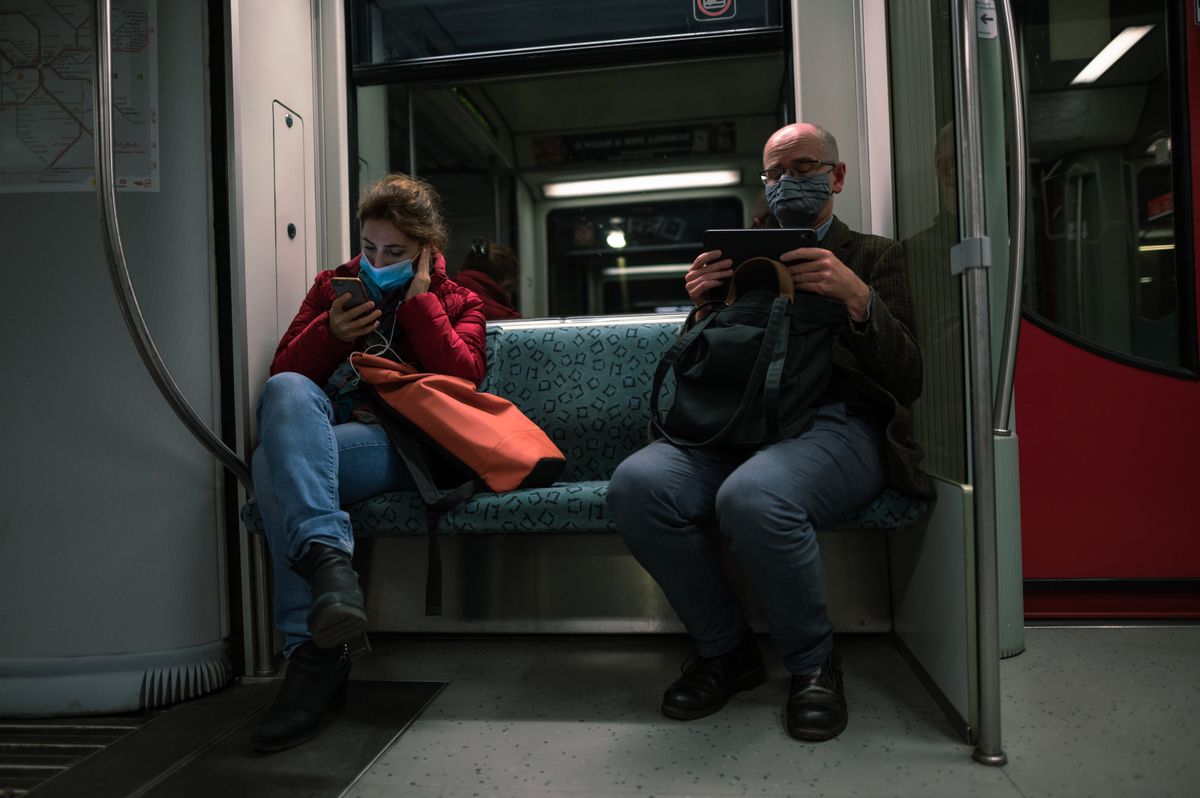
Do the vertical crops survive? Almost nobody thinks about this until it bites. A 16:9 frame designed around a comfortable dashboard shot gets cropped to 9:16 and suddenly your interface text is unreadable on a phone. Small UI type is the first casualty. If a tool "supports 9:16" by centre-cropping the widescreen version, it doesn't support 9:16.
And mute it. Genuinely: play your finished video with the sound off and see if you can still follow what the product does. Feeds autoplay muted, so assume a share of your viewers never hear a word. Open your own site on your own phone and watch what happens. If the video collapses without narration, the visuals were decoration.
The checklist I hold them to is the same one in what makes a good SaaS promo video.
What I built, and where it stops
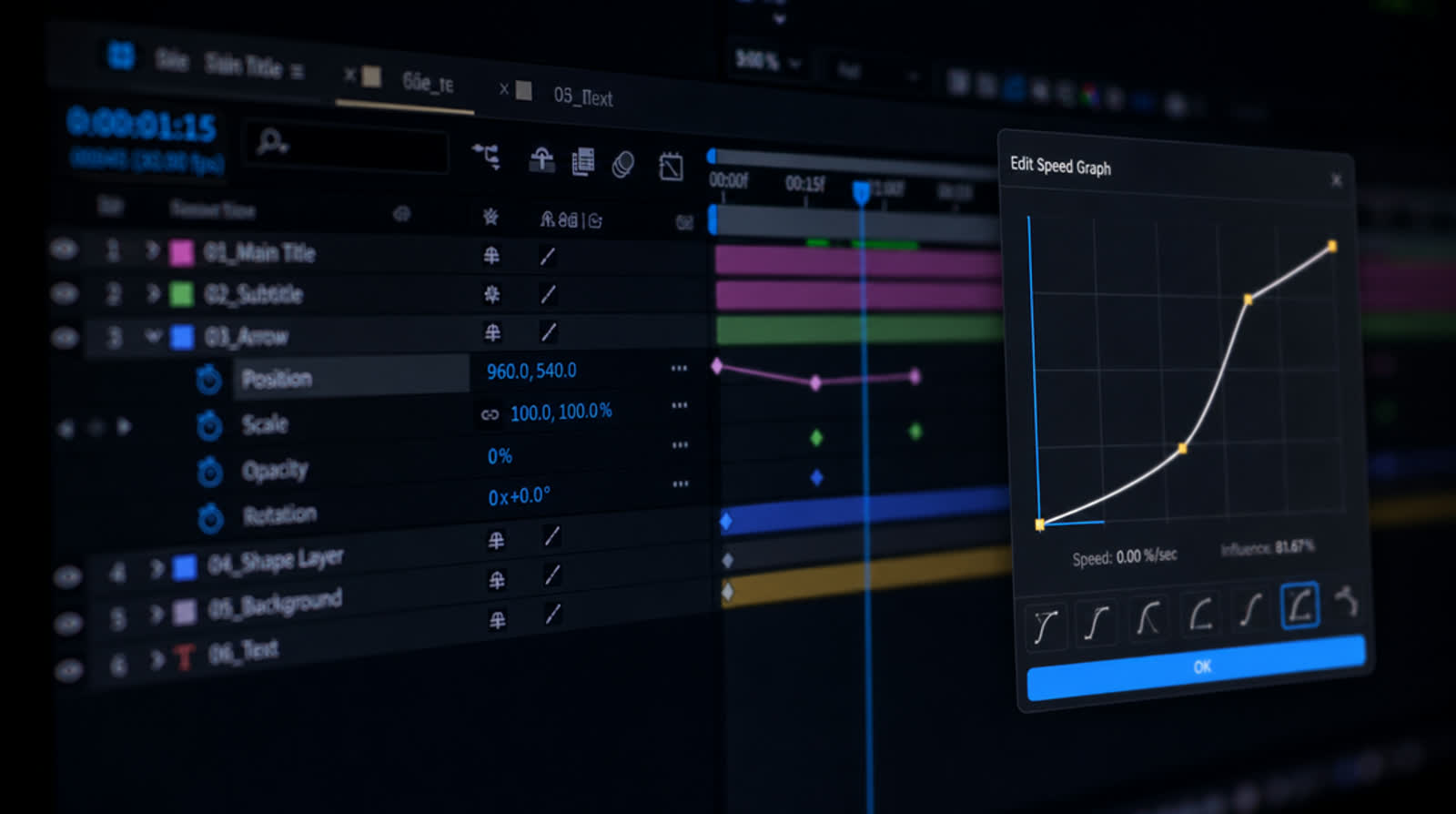
I made PromoHyper because founders were paying agencies several thousand dollars and waiting weeks for a 40-second video, which is a mad trade when you're pre-revenue. You paste your product URL and it writes, voices and hand-designs an animated promo in 16:9, 9:16 and 1:1, usually in minutes. The first one is free — one full video per account, carrying our watermark, no revisions — and clean files start at $29.
Now the honest part.
It won't replace a bespoke film with real actors and a director. If you need a founder on camera telling their story, this isn't that, and I haven't seen an AI tool that is. It won't fix weak positioning either. If you don't know why someone should care about your product, the script will reflect that with uncomfortable accuracy. Garbage in, well-animated garbage out. You should still watch the output critically and regenerate or edit when a scene doesn't land. Treat it as a very fast first pass with a good eye, and check its work.
One more thing. I've never met a buyer who asked how a video was made. In my experience they decide in the first few seconds whether this looks like a product built by people who care, and that judgement is mostly about intent, whether the video seems to know what it's arguing for.
That's the bar. Some AI output clears it now, which honestly surprised me — though not every AI tool works the same way, and the difference decides whether your own text and logo survive the render. Plenty still doesn't. So watch your own video the way a stranger would, on a phone with the sound off, and be harsh about what you see.