Claude Code vs ChatGPT Codex vs PromoHyper: the easiest, cheapest way to make a SaaS promo video
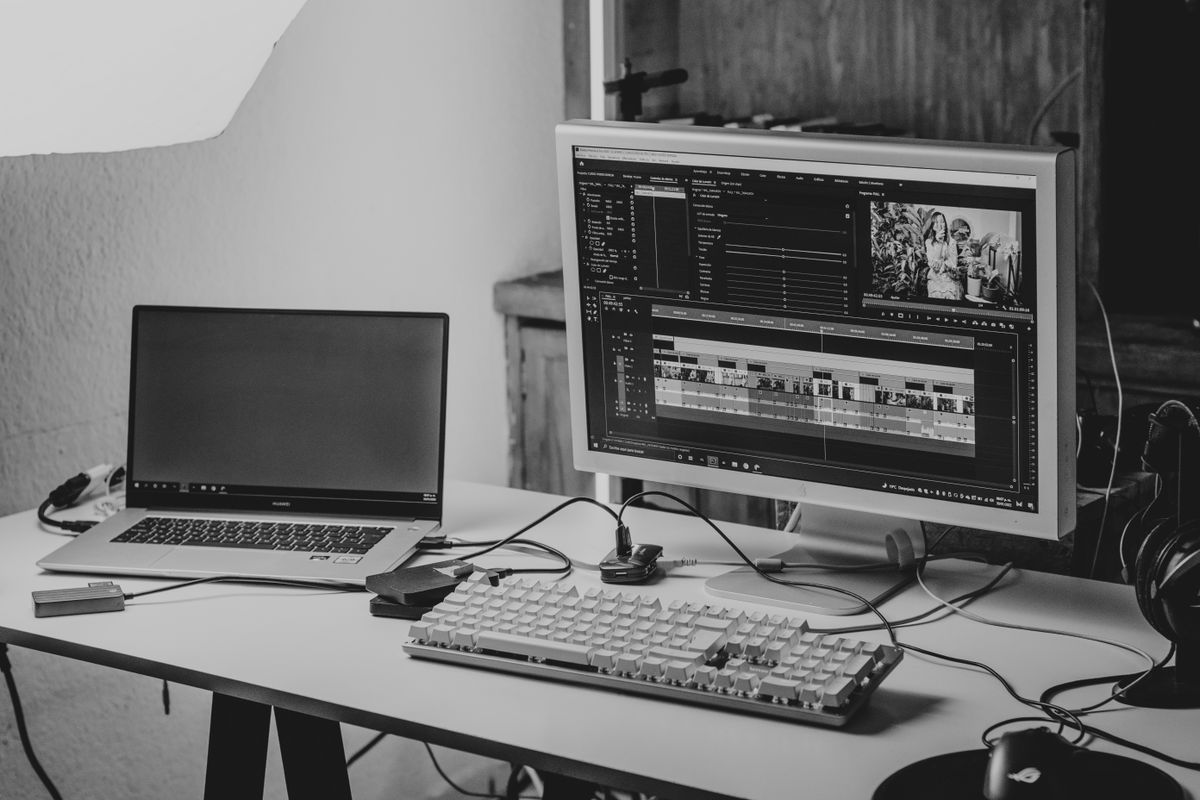
There are three realistic ways to get a SaaS promo video made this month: code it yourself with Claude Code or ChatGPT Codex, hire a person, or use a tool that does the whole job. Here is what each one costs in money, hours and attention, with prices checked in October 2026.
Everyone compares these on price. Price is the easy number, and it's rarely the one that decides whether the video ever ships. So I'll give you the prices, and then the other two bills that come with them.
The short answer
If you want the video to exist this week and you don't have a motion designer on call, use a tool. If you want a one-of-a-kind brand film and have the budget, hire a person. If you enjoy the building and want a system you'll reuse, code it yourself, but go in knowing what it really takes.
I've done the third one properly. I wrote the long, technical version of that story in I built the AI video pipeline you're about to build yourself, including every way a model-written animation quietly breaks. This post is the shorter, more practical sibling: the invoice.
Route 1: Claude Code or ChatGPT Codex

The idea is sound. You describe the video, a coding agent writes the animation code, a renderer turns it into an mp4. A frontier model is genuinely good at this, and the first weekend feels like magic.
Then the bills arrive.
The subscription math. A promo video is a lot of code. In our own pipeline, one full composition is roughly 20,000 to 30,000 tokens of output, and that's a single attempt, before the fix-render-look-fix loop that video work demands. That kind of usage is exactly what the five-hour windows were built to meter.
- Claude Code comes with Pro at $20 a month, Max 5x at $100 and Max 20x at $200. Usage is limited in rolling five-hour sessions, plus a weekly cap, and chat and Claude Code draw from the same allowance. Anthropic doesn't publish exact numbers, so you find your limit by hitting it.
- ChatGPT Codex comes with Plus at $20 a month and, since April 2026, a $100 Pro tier with five times the Codex usage of Plus, next to the $200 Pro plan. Codex also meters in five-hour windows with weekly limits on top.
If you iterate the way video work requires, render, look, fix, render again, expect to run into the five-hour window on a $20 plan mid-edit. The usual way out is the $100 tier. Your limits may differ, and both companies change them often, so check your own usage page. But "I'll just use the $20 plan" is the assumption that tends to break first.
Everything the coding agent doesn't do. A coding agent writes code. A promo video also needs a voice, music and visuals, and each of those is another account:
- Voiceover and music come from separate services. Entry plans for the popular voice tools sit at roughly $5 to $6 a month, and the tiers with more minutes and better quality run around $22 and up. You'll pay again if you want music generation, and you need to read the licence to be sure you can use it in ads.
- Images: Claude doesn't generate photos or illustrations itself. Anthropic's own help centre says it can draw diagrams and build visuals in code, but it isn't an image generator. If you want AI imagery in your video, you create it with another tool on another subscription, or wire an image model into Claude yourself.
- AI video clips are the same story: one more service, one more bill.
Count them up. A coding plan, a voice service, a music source, an image tool, maybe a video tool. Five logins, five invoices and a pile of glue code to make them talk to each other. None of it is hard. All of it is time.
The part money can't fix: knowing what to say. If you haven't made a promo video before, you don't know what a good script looks like. So you do the only thing available: you trust whatever the model writes. A model writes a plausible script, not necessarily the one that makes a stranger stop scrolling in the first three seconds. You can learn the difference, I wrote about it in what makes a good SaaS promo video and how to write a 30-second script, but that's another thing you have to do before the video exists.
The time. In my experience, the honest estimate for a first video this way is a weekend, and often more. Not an afternoon. The code is the easy half. The rest is voice timing, music fit, sound effects, and finding out why a headline that looks perfect in your browser is blank in the render.
Route 2: Hire a freelancer or an agency
This is still the right answer sometimes. You're paying for judgement: someone senior who tells you the thing you're most excited about isn't what your customer cares about.
Freelancers are commonly quoted from a few hundred dollars up to a few thousand, depending on experience and scope, and a week or two is normal. Agencies start higher, usually several thousand dollars, and add coordination on top. The catch with a freelancer is that you've just hired yourself as the producer. I go through how to hire well, and when it's worth it, in agency vs freelancer vs AI video and break the numbers down in how much does a SaaS promo video cost.
If you'd rather make it yourself in an editor, Canva is a legitimate option for small budgets, as long as you accept that you're doing the script, the voice and the pacing too.
Route 3: PromoHyper

PromoHyper is the version where all of the above is already done for you, and it's the one I built after paying the cost of Route 1.
Here is the whole workflow:
- Paste your website link (you'll create a free account to render it).
- PromoHyper reads your site and brand and writes three script directions.
- Pick one, or edit it in plain English.
- Click render.
That takes about two minutes of your time. The video is usually ready in around ten to fifteen minutes, and it arrives with everything in it: the script, an AI voiceover, original music, animation, and AI-generated imagery where a scene calls for it. There's nothing to stitch together, no keys to manage and no second subscription.
The price:
- Your first video is free. It carries a PromoHyper watermark.
- Removing the watermark from that video costs $9, one time, for that video.
- If you want more, packs start at $19 for a Starter video with one revision and $29 for Pro with two. An extra revision is $9.
What you should know before you start. The free video uses the basic animation style, clean 2D motion graphics, and it doesn't include revisions, so you can't tweak it for free. It will still be a finished, watchable video with a real voice and music, which is more than most people ship. And watch it before you post it. Check every fact on screen. An automated video is a very good first draft, not a replacement for you knowing your own product.
If you want a hand-crafted brand film with a bespoke idea, Route 2 is the better call. That's a different job.
So which one should you pick?
- Pick Claude Code or Codex if building the system is the point, you'll make dozens of videos, and the debugging sounds like a good weekend rather than a tax. Budget for the $100 tier and three or four extra subscriptions.
- Pick a freelancer or agency if the video will be the most-seen thing you own, or you need someone to argue with you about your positioning.
- Pick a tool if you need a good video to exist this week and the honest alternative is making nothing. That's the most common situation by a distance, and an unshipped video converts nobody.
The first video on PromoHyper is free, so the comparison costs you a link and about two minutes. If it isn't better than what you'd have made yourself, you've lost nothing, and you'll know a lot more about what you actually want.
Prices and limits above were checked in October 2026. Plans change often, so confirm current numbers on each provider's pricing page before you buy.